
Mendota Mental Health Institute (MMHI) is a state-operated psychiatric hospital located in Madison, Wisconsin. Established in 1860, the institute provides specialized inpatient mental health services for individuals referred through county agencies and the court system. It primarily serves men who require court-ordered psychiatric evaluations, treatment to restore competency, or treatment following a legal finding related to mental illness. The institute also operates a geropsychiatric unit for older adults and the Mendota Juvenile Treatment Center for youth referred from the juvenile justice system. Managed by the Wisconsin Department of Health Services, MMHI is an important part of the state’s public mental health and forensic treatment system.
What Is Mendota Mental Health Institute?
Mendota Mental Health Institute is one of two state psychiatric hospitals operated by the Wisconsin Department of Health Services. It is located in Madison and offers inpatient psychiatric care and treatment for patients whose needs require specialized hospital-level services.
MMHI primarily serves male forensic patients referred through the criminal court system. These patients may need a mental health competency evaluation, treatment to become competent to stand trial, or psychiatric treatment following a finding of not guilty by reason of mental illness.
The institute also offers geropsychiatric treatment for elderly men and women experiencing emotional or neurological conditions that affect behavior. Additionally, the Mendota Juvenile Treatment Center provides mental health treatment to young people transferred from the youth justice system.
MMHI is accredited by The Joint Commission.
History of Mendota Mental Health Institute
Mendota Mental Health Institute was established in 1860, giving it a history of more than a century and a half in psychiatric care. Over the years, its role has developed alongside changes in mental health treatment, hospital practices, and Wisconsin’s public healthcare system.
Earlier psychiatric institutions often focused on long-term institutional care. Modern psychiatric services increasingly emphasize clinical evaluation, individualized treatment, recovery, and rehabilitation.
Today, MMHI has a specialized role within Wisconsin’s system, particularly in forensic psychiatric care. Its services are organized to support patients with different levels of supervision, clinical needs, and legal circumstances.
Mental Health Services Offered at Mendota Mental Health Institute
MMHI provides several categories of psychiatric care. The services offered to an individual depend on their clinical condition, referral pathway, and legal status.
| Service | Description |
| Forensic psychiatric assessment | Evaluates mental health and competency-related questions referred by courts |
| Treatment to competency | Psychiatric treatment for individuals found unable to stand trial due to mental illness |
| Court-ordered psychiatric treatment | Care for individuals legally committed following criminal proceedings |
| Geropsychiatric treatment | Specialized services for older adults with psychiatric or neurological conditions affecting behavior |
| Juvenile mental health treatment | Services for young people transferred from the juvenile justice system |
| Program of Assertive Community Treatment (PACT) | Outpatient support for adults with significant mental health needs |
The Program of Assertive Community Treatment (PACT) is an outpatient program operated by MMHI. Unlike inpatient hospital care, it supports eligible adults in the community.
Forensic Services at Mendota Mental Health Institute
Forensic psychiatric services are a central part of MMHI’s mission. These services are connected to criminal court proceedings and provide psychiatric evaluation or treatment when mental health concerns affect legal processes.
The institute’s forensic program includes three primary services:
- Assessment of competency to stand trial: A psychiatric evaluation helps determine whether a person can understand the court process and participate in their defense.
- Treatment to competency: Individuals found incompetent to stand trial may receive treatment intended to help restore competency.
- Treatment following a finding of not guilty by reason of mental illness: Psychiatric treatment is provided when a court makes this legal determination.
MMHI operates forensic units with maximum, medium, and minimum security classifications. The level of security influences supervision, movement, and access to certain items. Decisions about security levels are based on patient needs, safety considerations, treatment participation, and clinical assessments.
Wisconsin Department of Health Services
Mendota Mental Health Institute Patient Care Units
MMHI operates specialized inpatient units designed to serve patients with different treatment and security needs. The institute’s forensic units include assessment, treatment, rehabilitation, and transition-focused settings.
| Unit or Program | Main Purpose |
| Secure Assessment and Treatment Unit (SATU) | High-security admission, assessment, and competency evaluation |
| Assessment and Treatment Unit (ATU) | Initial assessment and psychiatric treatment for forensic patients |
| East Admission Medical Unit (EAMU) | Admission and care for patients with psychiatric and medical needs |
| Forensic Maximum Unit (FMU) | Secure assessment and treatment for court-ordered patients |
| Management and Treatment Unit (MTU) | Specialized treatment for acutely aggressive adult male patients |
| Patient Transition Unit (PTU) | Ongoing treatment and assessment with focus on security-level progression |
| Intensive Treatment Unit (ITU) | Intensive psychiatric treatment for adult female forensic patients |
| Lorenz Medical Unit (LMU) | Psychiatric and medical care, including complex nursing needs and older adult patients |
| TRAC units | Treatment, rehabilitation, assessment, and care across different security levels |
| Forensic Transition Unit (FTU) | Community reintegration preparation, including work and social activities |
Unit assignments are determined by clinical and legal factors. This list describes programs outlined by the Wisconsin Department of Health Services; individual placements and unit operations may change.
Wisconsin Department of Health Services
Mendota Juvenile Treatment Center

The Mendota Juvenile Treatment Center (MJTC) is a residential mental health treatment facility connected with MMHI. It provides specialized treatment to serious and violent juvenile offenders transferred from Wisconsin’s youth justice system.
Youth are typically referred when they have not responded adequately to rehabilitation services provided by the Department of Corrections. MJTC focuses on addressing mental health and behavioral needs in a structured treatment setting.
The center is distinct from a general outpatient counseling clinic. Its patients are referred through the juvenile justice system, and treatment is provided within a residential environment.
Geropsychiatric Services at MMHI
Mendota Mental Health Institute also provides geropsychiatric treatment for older adults. These services are designed for elderly men and women who experience emotional or neurological conditions that affect their behavior.
Conditions may involve psychiatric symptoms, dementia-related behavioral changes, or other complex needs requiring specialized inpatient care. The institute’s geropsychiatric unit provides assessment and treatment for patients who need services beyond what may be available in their home communities.
Geropsychiatric care may involve psychiatric evaluation, medication management, nursing support, and individualized treatment planning. Admission is coordinated through appropriate county agencies and referral processes.
Mendota Mental Health Institute Admission Process
MMHI does not accept voluntary walk-in patients seeking treatment. Admissions are coordinated through county health and human services agencies or the court system.
The process generally involves the following stages:
- Referral: A county agency or court identifies the need for specialized psychiatric care.
- Legal or clinical review: The referral is reviewed according to the relevant legal and clinical requirements.
- Admission coordination: The referring agency coordinates with the institute regarding placement.
- Initial assessment: The patient’s psychiatric, medical, behavioral, and treatment needs are evaluated.
- Treatment planning: A care plan is established based on the patient’s individual circumstances.
- Ongoing treatment: The patient receives services according to their clinical needs and legal status.
People seeking help for themselves or a family member should contact their county health and human services agency or consult the appropriate legal authority to understand the referral pathway.
Location and Contact Information
Mendota Mental Health Institute is located in Madison, Wisconsin.
| Contact Detail | Information |
| Facility Name | Mendota Mental Health Institute |
| Address | 301 Troy Drive, Madison, WI 53704 |
| General Phone | 608-301-1000 |
| General Fax | 608-301-1358 |
| Client Rights Facilitators | 608-301-1030 or 608-301-1031 |
| Official Website | Wisconsin Department of Health Services – MMHI |
For general questions or concerns, the institute’s main phone number is 608-301-1000. For patient care concerns, the institute recommends first contacting its management. Client rights facilitators are also available to review concerns about patient rights and care.
Wisconsin Department of Health Services
Careers at Mendota Mental Health Institute
MMHI offers employment opportunities for healthcare professionals and support staff interested in psychiatric care and public service.
Potential career areas include:
- Registered nursing.
- Psychiatry.
- Psychology.
- Certified nursing assistance.
- Therapeutic recreation.
- Forensic psychology.
- Administrative and facility support.
The institute also lists internship opportunities in psychology and therapeutic recreation, along with a postdoctoral fellowship opportunity in forensic psychology.
State employment benefits may include health insurance options, paid time off, and retirement benefits. Applicants should consult the official Wisconsin Department of Health Services careers page for current openings and eligibility requirements.
Wisconsin Department of Health Services
Patient Rights at Mendota Mental Health Institute
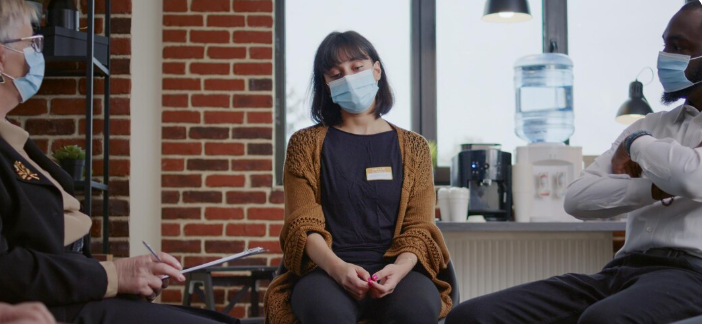
Patients receiving treatment at Wisconsin’s mental health institutes have legal rights under state law. These rights include protections related to treatment, confidentiality, and grievance resolution.
Patients are provided information about their rights when admitted. If a patient or someone acting on their behalf believes a right has been violated, they may file a complaint with a client rights facilitator.
According to the Wisconsin Department of Health Services, complaints generally must be filed with the client rights facilitator within 45 days. Patients may also have the option to bring a complaint to court without first filing it through the institute.
Understanding patient rights can help families and patients communicate concerns and seek appropriate review.
Wisconsin Department of Health Services
Mendota Mental Health Institute and Winnebago Mental Health Institute: Key Differences
Mendota Mental Health Institute and Winnebago Mental Health Institute are both state-operated psychiatric hospitals in Wisconsin, but their primary patient populations differ.
| Feature | Mendota Mental Health Institute | Winnebago Mental Health Institute |
| Location | Madison, Wisconsin | Oshkosh, Wisconsin |
| Established | 1860 | 1873 |
| Primary role | Mainly male forensic psychiatric care | Civil and forensic psychiatric care |
| Older adult services | Geropsychiatric unit | Different patient populations and services |
| Youth services | Mendota Juvenile Treatment Center | Youth inpatient services |
| Admissions | County agencies and court system | County agencies and court system |
| General phone | 608-301-1000 | 920-235-4910 |
Both institutions are managed by the Wisconsin Department of Health Services and provide specialized inpatient care. Their admissions and services are based on formal referral and legal processes.
Frequently Asked Questions About Mendota Mental Health Institute
What is Mendota Mental Health Institute?
Mendota Mental Health Institute is a state-operated psychiatric hospital in Madison, Wisconsin. It provides specialized psychiatric services, primarily for male forensic patients, and also offers geropsychiatric and juvenile treatment services.
Wisconsin Department of Health Services
When was Mendota Mental Health Institute established?
The institute was established in 1860 and has a long history of providing psychiatric care in Wisconsin.
Wisconsin Department of Health Services
Does Mendota Mental Health Institute accept voluntary patients?
No. MMHI does not accept patients seeking voluntary treatment. Admissions are referred through county health and human services agencies or the court system.
Wisconsin Department of Health Services
What is the Mendota Juvenile Treatment Center?
The Mendota Juvenile Treatment Center is a residential treatment facility for serious and violent juvenile offenders transferred from Wisconsin’s youth justice system when their treatment needs exceed the rehabilitation services available there.
Wisconsin Department of Health Services
How can I contact Mendota Mental Health Institute?
For general questions, call 608-301-1000. The institute is located at 301 Troy Drive, Madison, WI 53704.
Wisconsin Department of Health Services
Conclusion
Mendota Mental Health Institute is a longstanding provider of specialized psychiatric treatment in Wisconsin. Established in 1860, it primarily serves male forensic patients who require court-ordered psychiatric evaluations, treatment to competency, or treatment following legal findings related to mental illness. Its additional programs include geropsychiatric care for older adults and residential mental health treatment for youth referred through the juvenile justice system. The institute operates specialized patient care units with different treatment and security levels and is part of the Wisconsin Department of Health Services. For questions about admissions, patient rights, careers, or services, individuals can use the institute’s official contact information and referral pathways.