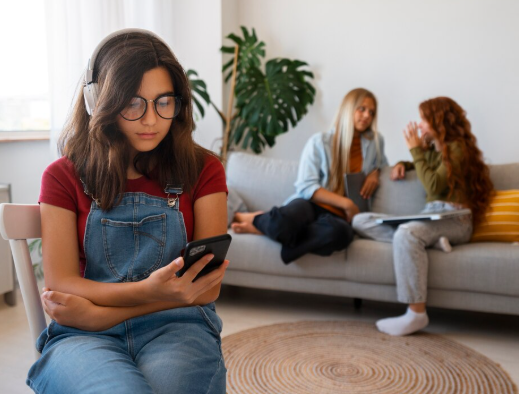
Social media has become an important part of teenagers’ daily lives. Platforms such as Instagram, TikTok, Snapchat, YouTube, and Facebook allow teens to communicate with friends, share experiences, explore interests, and express themselves. However, excessive or unhealthy social media use can also affect their mental health, emotional well-being, sleep, and self-esteem.
Understanding how social media affects teens’ mental health is essential for parents, teachers, caregivers, and young people. Social media is not always harmful, but the way teenagers use it can make a significant difference.
What Is the Connection Between Social Media and Teen Mental Health?
Teenagers are in a crucial stage of emotional, psychological, and social development. During adolescence, they often become more sensitive to peer approval, social comparison, and their sense of identity.
Social media can influence these areas in both positive and negative ways. Supportive online communities may help teens feel connected, while negative interactions, unrealistic expectations, and constant comparison may contribute to emotional distress.
The impact depends on several factors, including:
- How much time teens spend on social media
- The type of content they consume
- Their existing mental health and emotional resilience
- Their online relationships and experiences
- Whether social media interferes with sleep, school, or offline activities
Negative Effects of Social Media on Teens’ Mental Health

Increased Anxiety and Stress
Social media can create pressure to respond quickly to messages, maintain an online presence, and stay updated with trends. Teenagers may worry about missing out on events or conversations.
This pressure can lead to anxiety, stress, and difficulty relaxing, particularly when teens feel they must constantly check their phones.
Low Self-Esteem and Body Image Issues
Social media often features edited photographs, filters, and carefully curated lifestyles. Teens who compare themselves with influencers or peers may feel dissatisfied with their appearance, achievements, or personal lives.
This comparison can contribute to:
- Low self-confidence
- Negative body image
- Feelings of inadequacy
- Appearance-related anxiety
- Unhealthy expectations about beauty and success
Cyberbullying and Online Harassment
Cyberbullying is one of the most serious mental health concerns associated with social media. Teens may experience hurtful comments, threatening messages, embarrassing posts, or the spread of private information.
Unlike traditional bullying, cyberbullying can continue beyond school hours and reach a large audience. It may contribute to sadness, fear, isolation, and emotional distress.
Depression and Feelings of Loneliness
Some teens may experience loneliness or depressive symptoms when social media use replaces meaningful face-to-face interactions or exposes them to negative experiences.
Seeing other people’s seemingly perfect lives can make teenagers feel excluded or believe that they are not good enough.
It is important to note that social media does not automatically cause depression. The relationship is complex, and mental health can also influence how teens use social media.
Sleep Problems
Using social media late at night can interfere with teenagers’ sleep. Notifications, scrolling, and engaging content may keep them awake longer than intended.
Poor sleep can affect:
- Mood and emotional regulation
- Concentration and memory
- School performance
- Energy levels
- Overall mental health
Teens who regularly use social media at bedtime may benefit from setting a nighttime screen limit.
Fear of Missing Out
Fear of Missing Out, commonly known as FOMO, occurs when teenagers feel that others are enjoying better experiences or friendships without them.
Social media posts about parties, trips, celebrations, or group activities can make teens feel left out. This may lead to jealousy, insecurity, and a constant need to check updates.
Reduced Concentration and Academic Performance
Frequent notifications and endless scrolling can distract teenagers from homework, reading, and studying.
When social media becomes a constant interruption, teens may find it difficult to focus on tasks, manage their time, or complete schoolwork efficiently.
Positive Effects of Social Media on Teen Mental Health
Social media can also support teenagers’ emotional well-being when used responsibly.
| Positive Effect | How It Helps Teens |
| Social connection | Helps teens stay connected with friends and family |
| Emotional support | Provides access to supportive communities |
| Self-expression | Allows teens to share creativity, interests, and opinions |
| Learning opportunities | Offers educational content and mental health information |
| Sense of belonging | Helps teens connect with people who share similar experiences |
| Awareness | Encourages discussion about mental health and social issues |
For some teenagers, especially those who feel isolated in their local communities, online friendships and support groups can provide meaningful connection. The quality of these interactions matters more than simply counting followers or likes.
How Much Social Media Use Is Too Much for Teens?
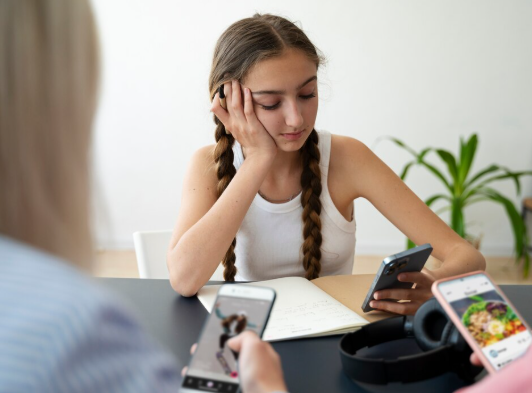
There is no single amount of social media time that is harmful for every teenager. The effects depend on age, content, individual circumstances, and whether social media interferes with daily life.
A U.S. Surgeon General advisory reported that adolescents who spend more than three hours per day on social media may face a higher risk of mental health problems. This is an association, not proof that social media directly causes those problems.
Signs that social media use may be becoming unhealthy include:
- Feeling anxious or upset when unable to check social media
- Staying awake late to scroll
- Losing interest in hobbies or offline activities
- Constantly comparing oneself with others
- Experiencing emotional distress after online interactions
- Neglecting schoolwork or responsibilities
- Using social media to avoid difficult feelings
How Teens Can Protect Their Mental Health on Social Media
Practical strategies for healthier social media habits
Set Healthy Screen Time Limits
Teenagers can establish daily limits and take regular breaks from social media. Screen time settings can help track usage and reduce excessive scrolling.
Avoid Social Media Before Bed
Keeping phones away from the bed and avoiding social media before sleeping can support better sleep habits.
Unfollow Negative or Harmful Accounts
Teens should consider unfollowing accounts that promote unrealistic beauty standards, negativity, bullying, or unhealthy comparisons.
Focus on Real-Life Relationships
Spending time with friends, family, and supportive people offline can help teens develop stronger relationships and emotional connections.
Think Critically About Online Content
Teenagers should remember that many social media posts show only selected moments of someone’s life. Photos may be edited, and online lifestyles may not reflect reality.
Report Cyberbullying
Teens experiencing cyberbullying should save relevant evidence, block or report abusive accounts, and speak with a trusted adult.
Talk About Mental Health
Parents, teachers, and caregivers should encourage open conversations about online experiences without immediately blaming or shaming teenagers.
The American Psychological Association recommends age-appropriate guidance and monitoring, especially for younger adolescents, while respecting their developing need for privacy and independence.
How Parents Can Help Teens With Social Media and Mental Health
Parents play an important role in helping teenagers develop healthy digital habits. Instead of simply banning social media, families can create a supportive environment where teens feel comfortable discussing their online experiences.
Parents can:
- Discuss the benefits and risks of social media.
- Encourage balanced screen time.
- Set reasonable family rules for phone use.
- Keep communication open and supportive.
- Help teens recognize cyberbullying and harmful content.
- Encourage physical activity, hobbies, and offline friendships.
- Monitor online safety in an age-appropriate way.
- Seek professional help when mental health concerns persist.
A supportive parent-teen relationship can help teenagers navigate online challenges more confidently.
Signs Social Media May Be Affecting a Teen’s Mental Health
Parents and caregivers should pay attention to changes in a teenager’s behavior.
| Warning Sign | Possible Concern |
| Frequent sadness or irritability | Emotional distress |
| Withdrawal from friends and family | Social isolation |
| Poor sleep or fatigue | Excessive nighttime usage |
| Negative comments about appearance | Body image concerns |
| Anxiety about notifications or messages | Online pressure |
| Declining school performance | Distraction or concentration problems |
| Fear of using social media or attending school | Possible cyberbullying |
These signs do not automatically mean social media is the cause. If symptoms are persistent, worsening, or affecting daily functioning, a mental health professional can help assess the situation.
If a teen expresses thoughts of self-harm or suicide, take them seriously and seek immediate professional support. In India, emergency assistance is available through 112.
Frequently Asked Questions
How does social media affect teens’ mental health?
Social media can affect teens’ mental health by influencing self-esteem, anxiety, sleep, mood, and social relationships. Negative experiences such as cyberbullying and social comparison may increase emotional distress, while supportive online communities can offer connection.
Can social media cause depression in teenagers?
Social media use has been associated with depressive symptoms in some adolescents. However, the relationship is complex, and research does not establish that social media directly causes depression in every teen.
Does social media increase anxiety in teens?
Yes, certain patterns of social media use may contribute to anxiety. Online pressure, fear of missing out, cyberbullying, and constant notifications can make some teenagers feel stressed or overwhelmed.
What are the positive effects of social media on teens?
Positive effects include social connection, emotional support, creative expression, access to educational information, and opportunities to connect with people who share similar interests.
How can teens use social media safely?
Teens can use social media safely by setting screen time limits, protecting their privacy, avoiding harmful content, reporting cyberbullying, taking breaks, and maintaining healthy offline relationships.
Should parents ban social media for teenagers?
A complete ban is not always necessary or effective. Parents can instead establish age-appropriate boundaries, provide guidance, and encourage responsible social media use.
What is the biggest mental health risk of social media for teens?
There is no single biggest risk for every teen. Cyberbullying, harmful content, social comparison, disrupted sleep, and problematic use can all affect mental health.
Conclusion
Social media can have both positive and negative effects on teenagers’ mental health. It can help teens stay connected, express themselves, learn new things, and find emotional support. However, excessive use, cyberbullying, unrealistic comparisons, and sleep disruption may contribute to anxiety, low self-esteem, loneliness, and emotional distress.
The key is not necessarily to eliminate social media but to encourage healthier and more balanced use. Parents, educators, and teenagers can work together to create safer online experiences by promoting digital literacy, setting boundaries, and prioritizing mental health.
With the right guidance and support, teenagers can enjoy the benefits of social media while protecting their emotional well-being.