Fashion: A Journey Through Style, Culture, and Innovation
Introduction: What is Fashion?
Fashion is more than clothing—it is a form of self-expression, culture, and creativity. It reflects who we are, where we come from, and even the times we live in. From traditional garments to modern streetwear, fashion shapes identity and communicates personality without words. It is a dynamic field where art, culture, technology, and commerce intersect, influencing daily life across the globe.
History of Fashion
Fashion has evolved over centuries, shaped by social, political, and economic changes. In ancient civilizations, clothing was primarily functional, designed to protect against weather and environment, but it also signified status and wealth. For example, silk in China, wool in Europe, and cotton in India were not just practical materials—they represented power and prestige.
During the Renaissance, fashion became a symbol of art and beauty. Elaborate designs, embroidery, and luxurious fabrics marked the elite classes. The Industrial Revolution later transformed fashion by making textiles more affordable and accessible, allowing trends to spread quickly and creating the foundation for the modern fashion industry.
Types of Fashion
Fashion can be divided into several categories:
- Haute Couture: Custom-made, high-end fashion that represents luxury and craftsmanship.
- Ready-to-Wear (Prêt-à-Porter): Mass-produced clothing that combines style with practicality.
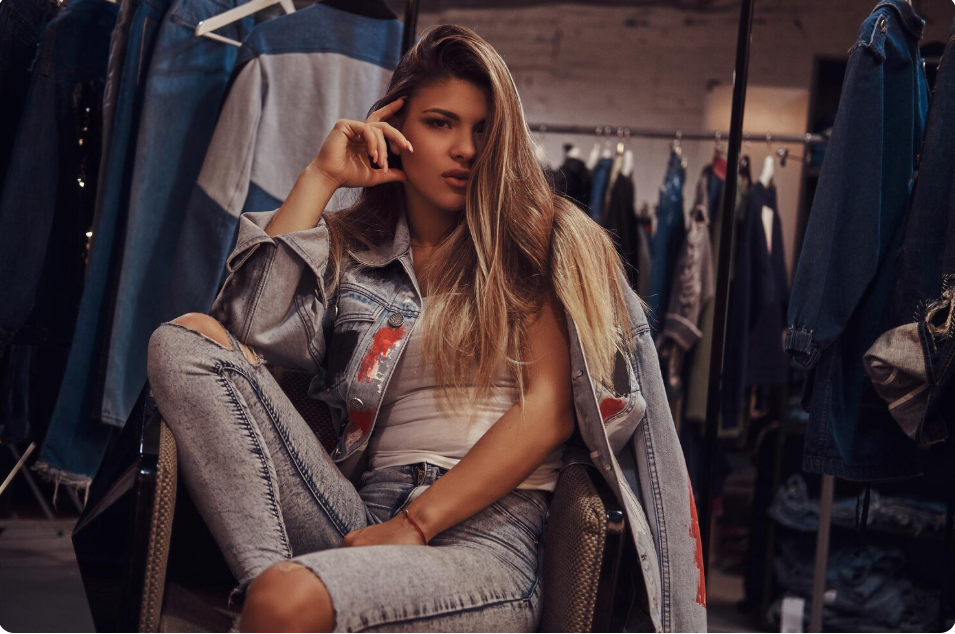
- Streetwear: Casual clothing inspired by urban culture and youth trends.
- Sustainable Fashion: Eco-friendly clothing designed with minimal environmental impact.
- Digital Fashion: Virtual clothing and designs for online worlds and avatars.
Each type of fashion serves a purpose, from personal expression to cultural identity and social statement.
Fashion and Culture
Fashion is deeply intertwined with culture. Traditional clothing reflects a society’s history, geography, and values. For example, the Japanese kimono, Indian sari, and African kente cloth are more than garments—they tell stories about heritage and community. Modern fashion often borrows elements from different cultures, creating trends that are global yet rooted in tradition.
Technology in Fashion
The future of fashion is closely linked to technology. Innovations like 3D printing, artificial intelligence, and smart fabrics are reshaping the industry. Smart fabrics can monitor health, regulate temperature, or even change color, while AI helps predict trends, optimize production, and personalize shopping experiences. Digital fashion allows users to try virtual outfits or create unique designs without producing physical clothing, reducing waste.
Sustainability in Fashion
Sustainable fashion is becoming a key focus as awareness of environmental impact grows. Fast fashion produces massive waste, pollution, and unethical labor practices. In response, designers are creating clothing from organic fibers, recycled materials, and eco-friendly dyes. Concepts like slow fashion encourage quality over quantity, making fashion both stylish and responsible.
Fashion as Self-Expression
One of the most important aspects of fashion is personal expression. Clothing allows individuals to communicate identity, mood, or social status. Accessories, colors, patterns, and styles all play a role in shaping perception and showcasing personality. Fashion is an art form, giving people a creative outlet to express who they are without saying a word.
Challenges in Fashion
Despite its creativity and influence, fashion faces challenges. Overproduction, waste, labor issues, and environmental impact are major concerns. Additionally, the fast-paced nature of trends can pressure consumers and designers, leading to unsustainable practices. Addressing these issues requires innovation, ethical responsibility, and conscious consumer choices.
Conclusion: Fashion as a Reflection of Society
Fashion is more than trends—it is a mirror of society, reflecting culture, technology, and human creativity. From ancient fabrics to high-tech garments, it tells the story of who we are and how we live. By embracing innovation, sustainability, and personal expression, fashion continues to evolve, connecting art, culture, and society in ways that shape the present and future.