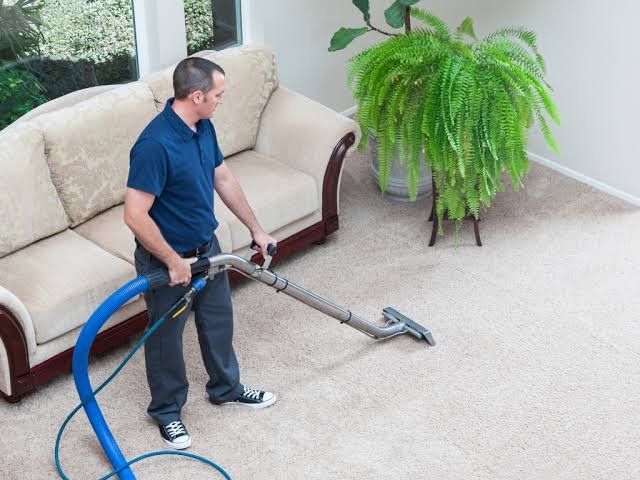
Carpet cleaner foam is a convenient cleaning solution designed to help remove dirt, stains, spills, odors, and everyday marks from carpet fibers. Whether you are dealing with food stains, muddy footprints, pet messes, or general dullness, the right carpet cleaner foam can make carpet maintenance easier without requiring a full professional cleaning every time.
Foam carpet cleaners are popular because they are simple to apply and can work effectively on many common carpet problems. Depending on the product, the foam may loosen dirt from the fibers, break down stains, neutralize odors, and leave the carpet looking fresher.
Choosing the right carpet cleaner foam is important because carpets are made from different materials and may react differently to cleaning products. Understanding how carpet foam works, where to use it, and how to apply it properly can help you achieve better results while protecting your carpet.
What Is Carpet Cleaner Foam?
Carpet cleaner foam is a specialized cleaning product that creates a foamy layer when applied to carpet. The foam helps distribute cleaning ingredients across the affected area and can loosen dirt trapped within carpet fibers.
Many foam carpet cleaners are designed for spot cleaning rather than completely washing an entire carpet. They can be especially useful for small stains, high-traffic areas, furniture marks, and accidental spills.
Some carpet cleaner foam products are ready to use, while others may be designed specifically for use with carpet-cleaning machines. Always check the product instructions before application.
Why Use Carpet Cleaner Foam?
One of the main advantages of carpet cleaner foam is convenience. Traditional carpet cleaning can involve large amounts of water, equipment, and drying time. Foam cleaners are often easier to use for smaller cleaning jobs.
Carpet cleaner foam can help with several common household cleaning needs:
| Cleaning Need | How Foam Can Help |
|---|---|
| Food stains | Helps loosen food residue |
| Mud marks | Helps break down dirt |
| Pet accidents | Some formulas help with odor removal |
| Drink spills | Can lift many fresh stains |
| High-traffic areas | Helps refresh visibly dirty fibers |
| General spots | Provides convenient spot cleaning |
| Odors | Some formulas contain deodorizing ingredients |
Foam is particularly useful when you need a quick cleaning solution without cleaning the entire carpet.
How Does Carpet Cleaner Foam Work?
Carpet cleaner foam generally works by combining cleaning ingredients with a foaming agent. When the product is applied, the foam spreads across the carpet surface and helps loosen particles attached to the fibers.
The cleaning process typically involves three stages. First, the foam covers the affected area. Second, the cleaning ingredients work on dirt, oils, and stains. Finally, the loosened residue is removed by wiping, blotting, brushing, or vacuuming according to the product instructions.
The exact process varies between products, so the manufacturer’s directions should always take priority.
Types of Carpet Cleaner Foam
Different carpet cleaner foam products are designed for different purposes. Understanding these categories can make it easier to choose the right option.
| Type | Best For |
|---|---|
| Spot cleaning foam | Small stains and spills |
| Deep-cleaning foam | Heavier carpet dirt |
| Pet stain foam | Pet-related stains and odors |
| Upholstery and carpet foam | Carpets and compatible fabric surfaces |
| Odor-removing foam | Unpleasant smells |
| Machine-compatible foam | Carpet-cleaning machines |
| Dry foam cleaner | Cleaning with limited moisture |
Spot-cleaning foam is often the most practical option for everyday household accidents, while machine-compatible products are better suited to larger cleaning jobs when specifically recommended for the equipment.
Carpet Cleaner Foam for Stains
Stains are one of the most common reasons people search for carpet cleaner foam. Fresh stains are generally easier to address than old, deeply embedded marks.
For a fresh spill, start by removing excess liquid or material without aggressively rubbing the carpet. Apply the appropriate amount of foam according to the product instructions and allow it to work for the recommended period.
Blotting is often preferable to vigorous rubbing because excessive rubbing can spread a stain or damage delicate carpet fibers.
For old or stubborn stains, more than one treatment may be necessary. However, repeated application should only be done when the product instructions allow it.
Carpet Cleaner Foam for Pet Stains
Pet stains can be particularly challenging because they may leave both visible marks and persistent odors. Some carpet cleaner foam products are formulated specifically for pet-related messes.
A pet-focused carpet cleaner foam may contain ingredients designed to break down organic residue and reduce odors. However, not every carpet foam is suitable for pet stains.
When choosing a product for pet messes, look for a formula specifically labeled for pet stains or odors. It is also important to follow the recommended treatment method carefully.
Carpet Cleaner Foam for Removing Odors
Carpet can absorb odors from pets, food, smoke, moisture, and everyday household activity. A suitable carpet cleaner foam may help freshen the surface and reduce unpleasant smells.
However, masking an odor is different from removing its source. If an odor comes from moisture, pet urine, mold, or contamination beneath the carpet, surface foam alone may not solve the problem.
For persistent odors, identify the source before repeatedly applying cleaning products.
How to Use Carpet Cleaner Foam
Using carpet cleaner foam correctly can make a significant difference in the final result.
Step 1: Vacuum the Carpet
Vacuum the area first to remove loose dust, hair, crumbs, and dirt. Cleaning a relatively debris-free surface allows the foam to work more effectively.
Step 2: Test the Product
Before treating a visible area, test the foam on a small, hidden section of carpet. Check for color changes, discoloration, or unwanted texture changes after the recommended waiting period.
Step 3: Apply the Foam
Apply the recommended amount of carpet cleaner foam to the affected area. Avoid soaking the carpet unless the product specifically requires that method.
Step 4: Allow It to Work
Give the foam enough time to work according to the manufacturer’s instructions. Leaving a product on for too long can sometimes cause residue or other problems.
Step 5: Blot or Brush
Depending on the product, gently blot or brush the treated area. Avoid aggressive scrubbing unless the instructions specifically recommend it.
Step 6: Remove Residue
Remove remaining residue according to the instructions. This may involve blotting, wiping, rinsing, or vacuuming after the carpet has dried.
Step 7: Let the Carpet Dry
Allow the area to dry completely before placing furniture back on it or walking heavily over the treated section.
Carpet Cleaner Foam vs Liquid Carpet Cleaner
Both foam and liquid carpet cleaners can be useful, but they are suited to different cleaning situations.
| Feature | Carpet Cleaner Foam | Liquid Carpet Cleaner |
|---|---|---|
| Application | Usually easy | Can require more preparation |
| Moisture | Often lower | Can involve more moisture |
| Spot cleaning | Excellent | Good |
| Large areas | Depends on product | Often suitable |
| Drying time | Often shorter | Can be longer |
| Convenience | High | Varies |
| Machine use | Product dependent | Product dependent |
Foam can be a convenient choice for small areas, while liquid solutions may be more appropriate for certain deep-cleaning methods.
Benefits of Carpet Cleaner Foam
Carpet cleaner foam offers several potential benefits when used correctly.
Convenient spot cleaning: Foam can be useful when you only need to treat a small stained area.
Easy application: Many products are packaged in containers designed for straightforward application.
Less preparation: Some foam products can be used without setting up a large carpet-cleaning machine.
Odor control: Certain formulas are designed to help reduce unpleasant smells.
Versatility: Some products can be used on both carpet and compatible upholstery.
Quick maintenance: Foam can make it easier to address spills before they become more difficult stains.
How to Choose the Best Carpet Cleaner Foam
Choosing the best carpet cleaner foam depends on your carpet type, cleaning needs, and the type of stain you want to remove.
Consider the following factors before buying:
| Factor | What to Look For |
|---|---|
| Carpet material | Check product compatibility |
| Stain type | Choose a suitable specialized formula |
| Odor | Look for deodorizing properties if needed |
| Application | Choose spray, foam, or machine-compatible format |
| Residue | Prefer formulas designed to minimize residue |
| Safety | Follow surface and usage instructions |
| Fragrance | Choose based on personal preference |
| Carpet color | Test before full application |
The most expensive product is not necessarily the best choice. Compatibility and correct application are more important than price alone.
Carpet Cleaner Foam for High-Traffic Areas
Hallways, entrances, stairs, and living-room areas often become darker because they receive more foot traffic than other parts of the carpet.
Carpet cleaner foam can be useful for treating these areas between deeper carpet-cleaning sessions. Vacuum the area thoroughly before application and focus on sections that show visible dirt.
For large high-traffic areas, check whether the product is intended for broad application. A spot-cleaning formula may not be the most practical choice for treating an entire room.
Can Carpet Cleaner Foam Be Used on Upholstery?
Some carpet cleaner foam products are also designed for upholstery, but this should never be assumed.
Before applying foam to a sofa, chair, cushion, or other fabric surface, check the product label and the upholstery manufacturer’s care instructions.
Different upholstery fabrics have different cleaning requirements. Always test an inconspicuous area first.
Common Mistakes When Using Carpet Cleaner Foam
Even a good carpet cleaning product can produce poor results if it is used incorrectly.
One common mistake is using too much product. More foam does not automatically mean better cleaning. Excess product can leave residue behind and may make the carpet feel stiff or sticky.
Another mistake is aggressive scrubbing. Hard brushing can damage fibers and spread some stains instead of removing them.
Skipping the patch test is another avoidable mistake. A product that works well on one carpet may not be appropriate for another.
Finally, failing to allow the carpet to dry properly can create additional problems, particularly in humid environments.
How to Prevent Carpet Stains
Regular maintenance can reduce the need for frequent stain treatment.
Vacuum regularly to prevent loose dirt from becoming embedded. Clean spills as soon as possible and avoid allowing liquids to sit on the carpet for long periods.
Using mats near entrances can also reduce the amount of outdoor dirt brought into the home. In high-traffic homes, rotating furniture and maintaining regular carpet-cleaning routines can help distribute wear more evenly.
A simple maintenance routine can keep carpets looking cleaner between deep-cleaning sessions.
Carpet Cleaner Foam Buying Checklist
Before purchasing a carpet cleaner foam, use this checklist:
- Check whether it is suitable for your carpet material.
- Identify the type of stains you need to clean.
- Check whether the product is designed for spot cleaning or larger areas.
- Look for odor-control features if needed.
- Check whether it can be used with your carpet-cleaning machine.
- Read the drying instructions.
- Check whether it leaves significant residue.
- Perform a patch test before wider use.
- Follow the manufacturer’s instructions carefully.
- Store the product safely after use.
Carpet Cleaner Foam for Different Cleaning Needs
The ideal foam depends on what you are trying to accomplish.
| Cleaning Situation | Recommended Approach |
|---|---|
| Fresh drink spill | Treat quickly with suitable spot foam |
| Food stain | Remove solids, then treat the stain |
| Pet accident | Use a pet-specific formula when appropriate |
| Mud | Allow excess mud to dry if applicable, vacuum, then treat |
| General dirt | Vacuum first and use compatible cleaner |
| Persistent odor | Identify the odor source before treatment |
| Large carpet area | Consider a suitable deep-cleaning method |
How Often Should You Use Carpet Cleaner Foam?
There is no universal schedule for using carpet cleaner foam. It is generally better to use it when specific stains or dirty areas appear rather than repeatedly applying cleaning chemicals without a reason.
Regular vacuuming should form the foundation of carpet maintenance. Foam can then be used for spot treatments and occasional refreshes.
Heavy-use households may need more frequent cleaning, while carpets in low-traffic rooms may require less frequent treatment.
Is Carpet Cleaner Foam Safe for All Carpets?
No cleaning product should automatically be considered safe for every carpet.
Carpet fibers can be made from different materials, and manufacturers may use different dyes, backing materials, and finishes. Some carpets may be sensitive to moisture or particular cleaning ingredients.
Always check the product label and carpet manufacturer’s care instructions. A patch test is one of the simplest ways to identify a potential compatibility issue before treating a larger area.
Final Thoughts on Carpet Cleaner Foam
Carpet cleaner foam can be a practical solution for everyday carpet maintenance, especially when you need to deal with small stains, spills, dirt, or odors. Its convenient application makes it useful for households that want a simple way to refresh carpets between deeper cleaning sessions.
The key to good results is choosing a formula that matches your carpet and cleaning problem. Always test the product first, use the recommended amount, avoid excessive scrubbing, and allow the carpet to dry properly.
Whether you are dealing with food spills, muddy footprints, pet stains, or high-traffic areas, the right carpet cleaner foam can become a useful part of a regular carpet-care routine.
What is carpet cleaner foam used for?
Carpet cleaner foam is mainly used to clean stains, dirt, spills, and odors from compatible carpet surfaces. It is particularly convenient for spot cleaning and smaller areas.
Can carpet cleaner foam remove old stains?
Some carpet cleaner foam products can help with old stains, but results depend on the stain, carpet material, and how long the stain has been present. Older stains may require repeated treatment or professional cleaning.
Can I use carpet cleaner foam on a sofa?
Only use carpet cleaner foam on upholstery if the product specifically states that it is suitable for that type of fabric. Always check the upholstery care instructions and test an inconspicuous area first.
Does carpet cleaner foam remove pet odors?
Some formulas are specifically designed to address pet stains and odors. For persistent smells, however, it is important to identify whether the odor has penetrated beneath the carpet or padding.
How long does carpet cleaner foam take to dry?
Drying time varies depending on the product, amount applied, carpet type, ventilation, temperature, and humidity. Follow the product’s recommended drying instructions and make sure the carpet is fully dry before heavy use.



One thought on “Carpet Cleaner Foam: Complete Guide to Choosing and Using Foam Carpet Cleaners”