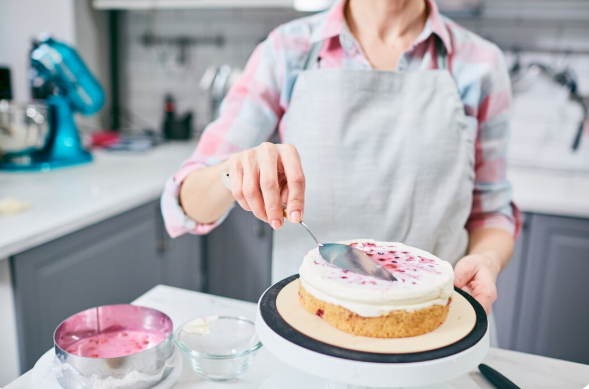
A round cake is one of the most versatile desserts for birthdays, celebrations, family gatherings, and everyday baking. Its simple shape makes it easy to bake, layer, frost, and decorate in countless ways. From a small homemade vanilla cake to an elaborate multi-layer celebration dessert, the round format works well for beginners and experienced bakers alike. Choosing the right pan size, preparing the batter properly, and understanding baking time are key to getting a soft, evenly baked result.
Why Round Cakes Are So Popular
The classic circular shape has remained a favorite because it is practical as well as attractive. Round cakes are easy to portion into wedges, stack into layers, and decorate with frosting or other toppings.
They can also be adapted to almost any flavor. Popular choices include:
- Vanilla
- Chocolate
- Red velvet
- Carrot
- Lemon
- Strawberry
- Coconut
- Coffee
- Marble
- Funfetti
Another advantage is that a round cake can be made in different sizes. A small cake may be perfect for a few people, while a larger layered version can serve a crowd.
Choosing the Right Cake Pan
The pan has a major effect on the final cake. Diameter and depth both influence how much batter the pan can hold and how quickly the center cooks.
Common sizes include 6-inch, 8-inch, 9-inch, and 10-inch pans. Standard 2-inch-deep pans are especially common for layer cakes.
Common Pan Sizes
| Pan Size | Approximate Capacity | Best For |
|---|---|---|
| 6-inch | 4 cups | Small cakes |
| 8-inch | 6 cups | Small family celebrations |
| 9-inch | 8 cups | Standard celebration cakes |
| 10-inch | 11 cups | Larger gatherings |
| 12-inch | 15 cups | Large parties |
Capacities can vary between manufacturers, particularly when pan depth and side design differ.
Why Pan Size Matters
Changing from one pan size to another is not as simple as adding or removing one inch from the diameter.
For example, a 9-inch round pan has substantially more surface area than an 8-inch pan. Using the same amount of batter in a smaller pan can produce a deeper cake that requires more time to bake. King Arthur Baking notes that a 9-inch round pan has about 26.6% more volume than an 8-inch round pan.
This is why recipe instructions should be followed with the recommended pan whenever possible.
How to Prepare the Pan
Proper pan preparation helps prevent sticking and makes it easier to remove the finished cake.
Grease the Pan
Coat the bottom and sides lightly with butter, shortening, or baking spray.
Add Parchment Paper
For many cakes, placing a parchment circle on the bottom provides an extra layer of protection against sticking.
Dust With Flour When Appropriate
For some butter-based cakes, lightly dusting the greased pan with flour can make removal easier.
Chocolate cakes can benefit from cocoa powder instead of flour because it avoids leaving a noticeable white coating on the finished dessert.
How to Make a Basic Cake
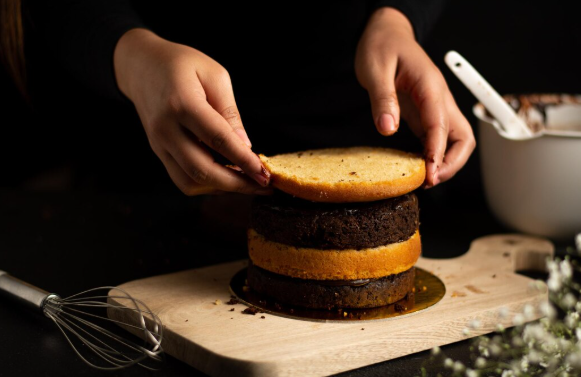
A simple homemade cake does not require complicated ingredients.
Typical ingredients include:
- All-purpose flour
- Sugar
- Eggs
- Butter or neutral oil
- Milk
- Baking powder or baking soda
- Vanilla extract
- Salt
Step 1: Prepare the Ingredients
Bring refrigerated ingredients such as butter and eggs to the temperature specified by your recipe. Measuring ingredients accurately is particularly important when baking.
Step 2: Mix the Dry Ingredients
Whisk the flour, leavening agents, and salt together.
This helps distribute the ingredients evenly throughout the batter.
Step 3: Cream Butter and Sugar
For a traditional butter cake, beat the butter and sugar until lighter and fluffy.
This process incorporates air that contributes to the cake’s texture.
Step 4: Add the Eggs
Add eggs gradually and mix according to the recipe.
Avoid excessive beating once the flour is introduced.
Step 5: Add Dry and Liquid Ingredients
Alternate the dry ingredients with the milk or other liquid ingredients when the recipe calls for this method.
Mix only until the ingredients are incorporated.
Step 6: Transfer the Batter
Pour the batter into the prepared pan.
Do not fill the pan all the way to the top. Most cake batters need room to expand as they bake. A common guideline is to fill a standard pan no more than about two-thirds full unless the recipe specifies otherwise.
Step 7: Bake
Place the pan in a properly preheated oven.
Avoid opening the oven repeatedly during the early part of baking because temperature changes can affect the cake’s rise.
Step 8: Check for Doneness
A toothpick inserted into the center should generally come out clean or with a few moist crumbs, depending on the type of cake.
Allow the cake to cool before attempting to frost it.
How to Get an Evenly Baked Cake
An attractive cake starts with an evenly baked layer.
Use the Correct Oven Temperature
An oven that is too hot can brown the outside before the center has finished baking.
An oven that is too cool may leave the cake pale and cause it to take longer than expected.
An inexpensive oven thermometer can help identify temperature differences between the displayed temperature and the actual oven temperature.
Place the Pan Correctly
For most cakes, place the pan on the center rack unless the recipe recommends another position.
Avoid placing pans directly against the oven walls.
Don’t Overmix the Batter
Overmixing after adding flour can affect the texture and may produce a denser cake.
Mix until the ingredients are combined rather than continuing unnecessarily.
Common Problems and How to Fix Them
Even experienced bakers occasionally encounter problems.
| Problem | Possible Cause | Solution |
|---|---|---|
| Cake sinks | Underbaking or excess liquid | Bake until properly set |
| Dry cake | Overbaking | Check earlier for doneness |
| Dense texture | Overmixing | Mix gently after adding flour |
| Burnt edges | Oven too hot or dark pan | Check temperature and pan type |
| Cake sticks | Poor pan preparation | Grease and line the pan |
| Uneven top | Uneven heat or batter distribution | Spread batter evenly |
Why Does the Center Sink?
A sunken center can happen when a cake is removed from the oven too early. It may also result from an incorrect ingredient ratio or opening the oven before the structure has set.
Allow the cake to bake fully before removing it.
Choosing Between One Layer and Multiple Layers
A single-layer dessert is simple and ideal for casual occasions.
A two-layer cake offers more opportunities for filling and decoration.
For example, two vanilla layers can be combined with:
- Buttercream
- Whipped cream
- Strawberry filling
- Lemon curd
- Chocolate ganache
- Cream cheese frosting
- Fresh fruit
Multiple layers also create a taller presentation that works well for birthdays and celebrations.
Decorating Ideas
Decorating does not have to be complicated.
Simple Buttercream
A smooth layer of buttercream provides a clean and classic finish.
Add decorative swirls around the edges for an elegant appearance.
Fresh Fruit
Strawberries, raspberries, blueberries, and sliced peaches can add color and freshness.
Place fruit around the top immediately before serving if it is particularly juicy.
Chocolate Decoration
Chocolate shavings, curls, ganache, or small chocolate pieces can turn a simple cake into a dessert suitable for special occasions.
Sprinkles
Sprinkles are an easy choice for children’s birthdays and casual celebrations.
Choose colors that match the event or party theme.
Powdered Sugar
For a simple homemade presentation, lightly dust the cooled cake with powdered sugar.
This works especially well with simple vanilla, lemon, or chocolate cakes.
How to Make a Cake Look Professional
A professional appearance often comes down to consistency rather than complicated decoration.
Start by leveling the cake layers if they have developed a noticeable dome.
Apply a thin crumb coat before the final layer of frosting. This helps trap loose crumbs.
Chill the cake briefly if necessary, then apply the final frosting layer.
Use a cake scraper or offset spatula to create smooth sides.
For decoration, choose a small number of complementary elements rather than adding too many toppings.
How Many People Does It Serve?
Serving size depends on the diameter, height, number of layers, and how generously the cake is sliced.
A general guide can help when planning a celebration.
| Cake Size | Approximate Use |
|---|---|
| 6-inch | Small gathering |
| 8-inch | Small family celebration |
| 9-inch | Birthday or medium gathering |
| 10-inch | Larger celebration |
| 12-inch | Large event |
These figures are only general planning estimates because serving sizes vary significantly.
For a party, it is usually better to consider the number of guests first and then choose the appropriate cake size.
How to Store a Cake
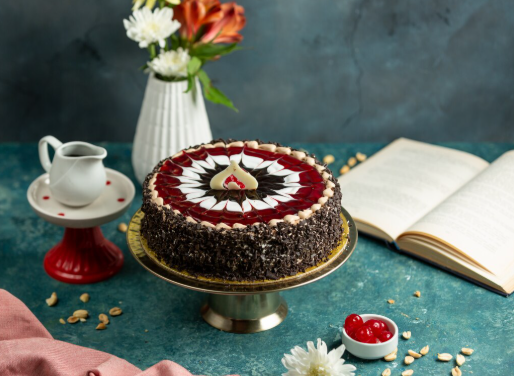
Proper storage helps maintain texture and flavor.
A completely cooled unfrosted cake can usually be wrapped tightly and stored according to the recipe’s recommendations.
Frosted cakes require more consideration.
Cakes containing cream cheese, whipped cream, custard, or other perishable fillings may need refrigeration.
When refrigerating cake, cover it well to prevent it from absorbing odors or becoming dry.
Before serving, some cakes benefit from sitting at room temperature for a short period.
Can You Freeze Cake?
Yes, many cakes freeze well.
For best results, allow the cake to cool completely before wrapping it.
Wrap individual layers tightly in plastic wrap, followed by a freezer-safe outer layer or container.
Freezing unfrosted layers can make later decorating easier.
When ready to use, allow the cake to thaw while still wrapped. This helps reduce condensation directly on the cake surface.
Tips for Better Results Every Time
Keep these practical tips in mind:
- Measure ingredients accurately.
- Use the pan size specified by the recipe.
- Prepare the pan before making the batter.
- Preheat the oven completely.
- Avoid overmixing.
- Don’t overfill the pan.
- Keep the oven door closed during early baking.
- Test the center before removing the cake.
- Cool completely before frosting.
- Store leftovers properly.
- Adjust baking time when changing pan sizes.
Key Points to Remember
- Round cakes are versatile and suitable for everyday desserts and celebrations.
- Pan diameter and depth both affect baking results.
- Standard sizes include 6, 8, 9, and 10 inches.
- Most cake pans should not be filled completely to the rim.
- Changing pan sizes may require adjustments to batter quantity and baking time.
- Proper pan preparation helps prevent sticking.
- Avoid overmixing once flour has been added.
- Let the cake cool completely before decorating.
- Simple decorations such as fruit, buttercream, chocolate, and sprinkles can create attractive results.
- Proper storage helps preserve freshness and texture.
Final Thoughts
A well-made cake can be simple, elegant, and adaptable to almost any occasion. The key is understanding how ingredients, pan size, batter depth, oven temperature, and baking time work together.
Choosing the correct pan is particularly important because changing the diameter can significantly change the amount of batter and the time needed for the center to bake.
Whether you are preparing a small dessert for your family or creating a layered centerpiece for a celebration, careful preparation and a few reliable baking techniques can make the process much easier. Once you understand the basics, you can experiment confidently with flavors, fillings, frostings, and decorations.
Frequently Asked Questions
1. What is the most common size for a round cake pan?
Eight- and nine-inch pans are among the most commonly used sizes for home baking. The best choice depends on the recipe and the number of servings needed.
2. How full should a cake pan be?
For many standard cakes, filling the pan to around two-thirds full provides room for the batter to rise without overflowing. Some recipes require a different fill level.
3. Why does my cake rise in the middle?
A raised center can result from oven temperature, batter distribution, pan type, or the way the cake sets during baking. An oven that is too hot can cause the outside to set quickly while the center continues rising.
4. Can I use a different pan size than the recipe recommends?
Yes, but you may need to adjust the amount of batter and baking time. A smaller pan makes the batter deeper, while a larger pan creates a thinner layer, which changes how quickly the cake cooks.
5. How should I store leftover cake?
Storage depends on the ingredients. Plain or buttercream cakes can often be kept covered at room temperature for a limited period, while cakes containing perishable fillings may need refrigeration. Follow the recipe’s storage instructions for the safest result.


One thought on “Round Cake: A Complete Guide to Baking, Decorating, and Choosing the Right Size”