So Why Are You Searching for Townhomes Near Me Anyway?
Last month a buddy texted me at like 11 at night. Just one line: “townhome or house, help.” No hello, nothing. That’s basically how this conversation always starts. Someone’s scrolling listings on the couch, they’ve typed townhomes near me into the search bar for the fourth time this week, and now they’re stuck, because every person they know has a strong opinion and none of the opinions agree.
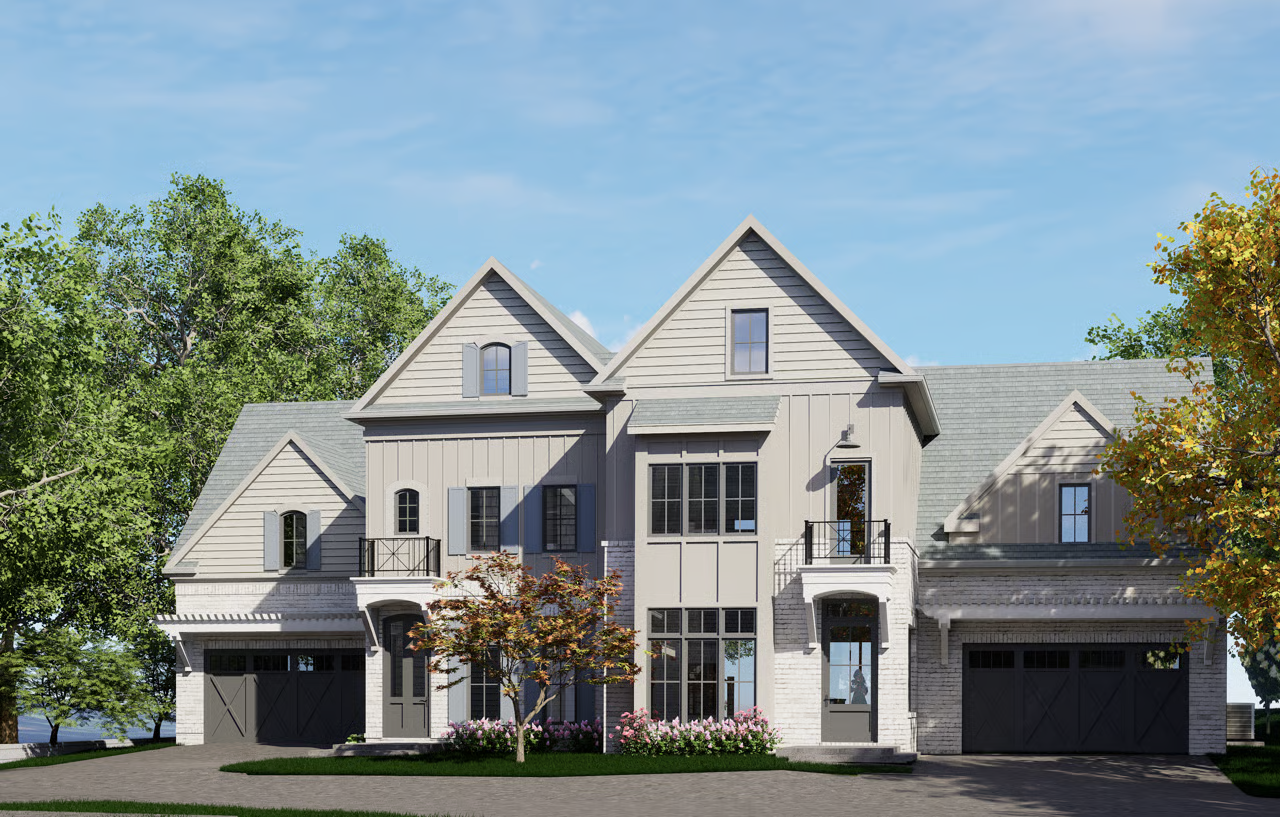
I’m not a realtor. I’ve been around houses my whole working life though, framing them, gutting them, fixing what the last guy did wrong, and I’ve been inside a lot of both kinds. So here’s my take, for what it’s worth. A townhome shares at least one wall with the unit next to it, usually sits in a row, and usually comes with an association that has opinions about your front door color. A single-family home is just yours, lot and all, nobody attached. That’s the simple version. The messy version is what this whole post is about, because the difference shows up in your bank account, your Saturdays, and how you feel when a pipe lets go in the middle of the night. Neither one is the “smart” choice by default. I know people who regret each. I know people who’d never go back. It comes down to how you live, and most folks don’t think about that part hard enough until after closing.
What Does the Money Actually Look Like Month to Month?
Start with the price tag, sure. Townhomes usually come in cheaper. You’re buying less house, and way less dirt, and dirt is where a lot of the cost hides. In some pricey areas a shiny new townhome by the good restaurants can cost more than an older house out past the highway, so don’t treat that as a law. But on average, yeah, cheaper to get in.
Now here’s where people trip. The purchase price isn’t the number you live with. The monthly number is. Townhomes often come with HOA dues, and I’ve seen them from around a hundred and fifty bucks to well over five hundred. What do they cover? Depends. Some pay for the roof and the exterior and the grass and the trash pickup, and honestly that’s a pretty good deal. Others cover a mailbox and a sign at the entrance. You’d be amazed. Ask to see the association budget and the last couple years of meeting minutes. Boring reading, I know. Do it anyway.
Single-family homes usually skip the dues, or the dues are small. But taxes tend to run higher because the property is worth more, and insurance is all yours, top to bottom. With a townhome part of that sits under the association’s master policy, which sounds comforting until you find out where it stops. Where does it stop? Often at the drywall. Everything past that, your problem.
So when you compare, count it all. Mortgage, taxes, insurance, dues, power and water, and then something extra for repairs, because a house doesn’t care about your budget. A small townhome might cost less to heat and cool. Might. Old ones leak air like crazy. Cheaper up front doesn’t always mean cheaper to live in, and I wish somebody had told me that when I bought my first place.
How Much Space, Quiet, and Privacy Do You Really Get?
Space is the thing people feel every single day, so let’s talk about it plainly.
A detached house gives you room to be a little loud and a little messy. You can run the saw in the garage at 8 p.m. You can have people over, and nobody bangs on the wall. The dog barks, fine, it’s a dog. You get a yard, and a yard is a weird, wonderful, annoying thing, because it means barbecues and also means mowing. You can add on, build a deck, finish the basement, put in a shed you’ll fill with junk in two weeks. Mostly you just need a permit.
Townhomes do it differently. They go up instead of out. Three floors is common, skinny footprint, a lot of stairs, and if somebody in your house has bad knees, or you’ve got a toddler who treats stairs like a challenge, that matters more than any granite countertop. Storage is short. Garages, when there is one, are tight; I’ve seen guys wedge a pickup in and then not be able to open the door. Outside you get a patio, maybe a little strip of grass. Some people love that; they really do, no mowing, lock up, leave for two weeks, nothing to worry about.
Noise, though. That’s the big question mark. Newer townhomes are built with better sound control between units, thicker assemblies, fire-rated walls, all that. Older ones can be rough. I stood in a unit once where I could follow the plot of the neighbor’s cooking show. So go see it twice, a weekday evening and a weekend morning, and stand in the bedroom and shut up for five minutes. Just listen. Feels silly. Works better than any inspection report for this one thing.
Who Handles Repairs, and What Does Upkeep Cost Over the Years?
People brush past this part, and it bites them later, so I’ll slow down a little.
Own a detached house, and everything belongs to you. Roof, gutters, siding, the furnace, the water heater, the slab crack in the driveway, that funny smell from the crawlspace. You’re the landlord of your own place and the tenant. Folks say to set aside one to two percent of the home’s value each year for maintenance. It’s decent advice. Some years you spend almost nothing. Then the water heater quits the same week your in-laws visit, and you spend a lot.
A townhome moves a chunk of that to the association. Many communities handle roofs, exterior paint, landscaping, snow, sometimes siding. You take care of the inside. For busy people, that’s a real gift. The flip side is you give up control. If the board decides to repave and hits every owner for four thousand dollars, you pay, and you can complain at the meeting, and you’ll still pay. Your single vote is just one vote among a bunch.
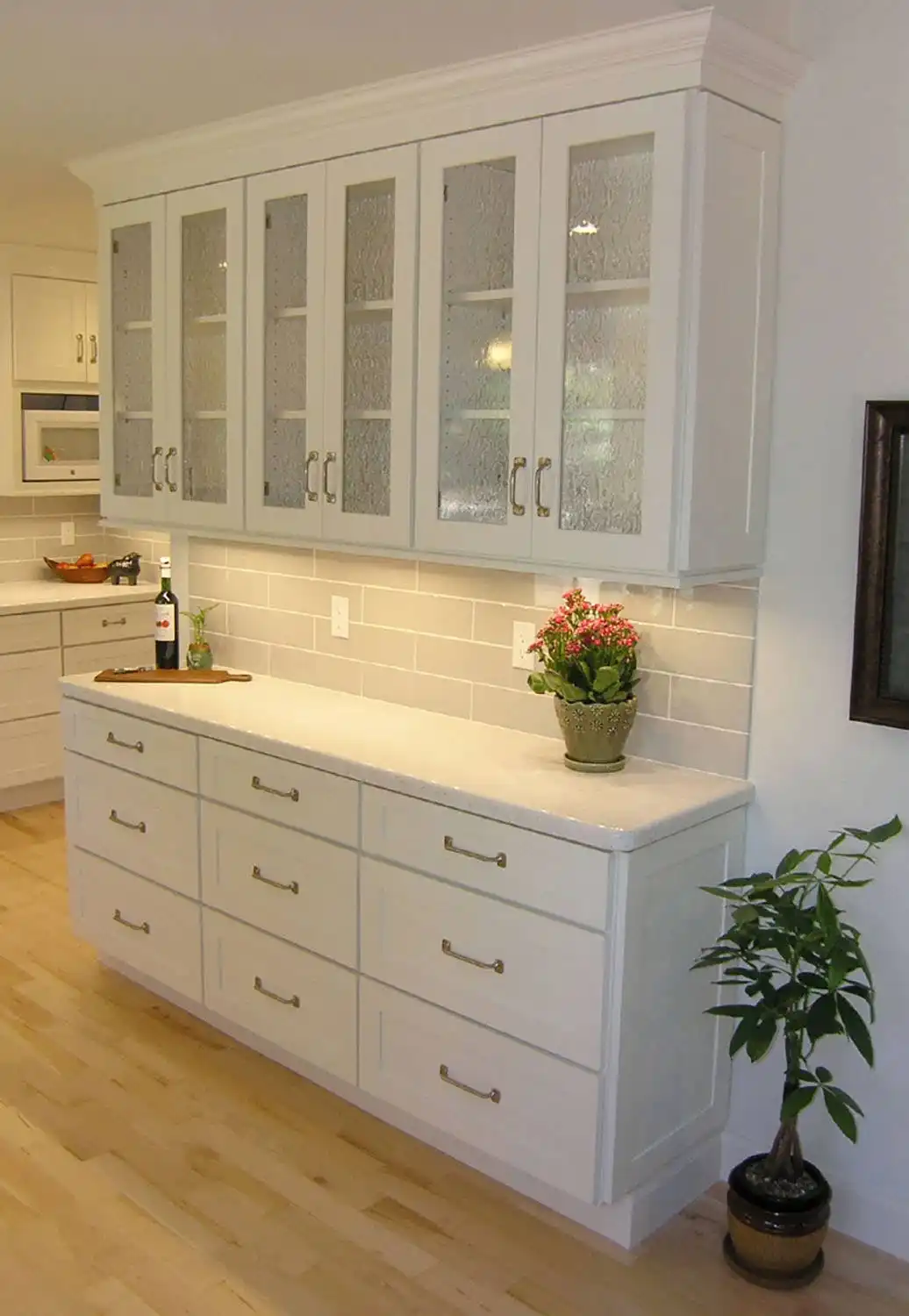
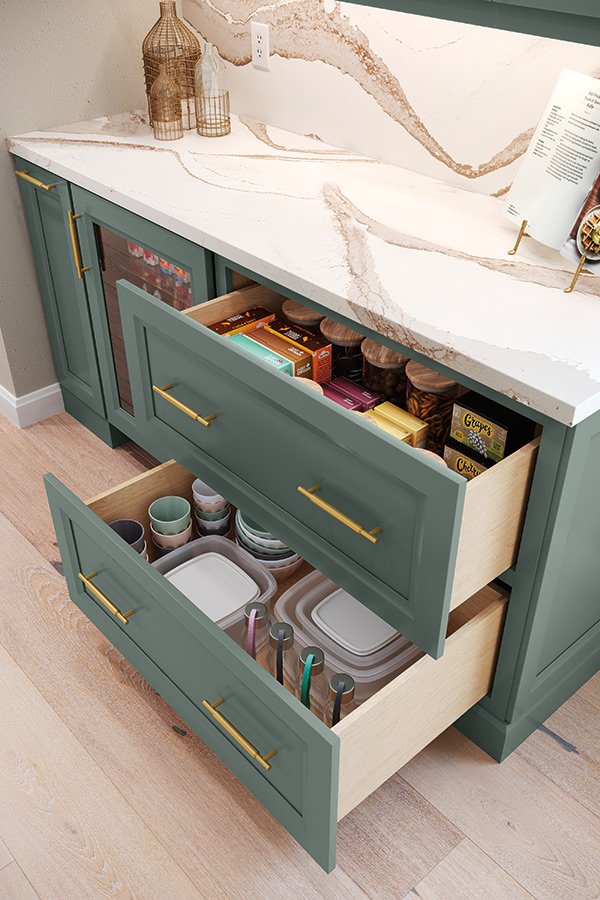
Inside is another story, because kitchens and bathrooms age the same in either place. I’ve watched people fall for a townhome’s layout and then walk into a kitchen that looks like it’s stuck in 2004. Good Kitchen Remodeling can change a narrow townhome completely: better storage, better light, maybe opening a wall where the structure and the rules allow it. Bathroom Remodeling does a lot too. A worn tub and cracked tile make a home feel older than it is, and when it’s time to sell, those two rooms tend to pay you back better than most things. The catch with townhomes is the walls.
Where Does Mountain Biking Fit Into the Picture?
Forget numbers for a second. How do you spend a Saturday?
I know a guy, we’ll call him Rick, who picked his townhome for one reason. Ten minutes from the trailhead. He’s big into mountain biking, out there every weekend, sometimes midweek if work lets up. A big yard to him was just homework. He didn’t want to give up a Saturday morning pushing a mower when he could be on a ridgeline getting rattled. His garage barely fits his car but it holds two bikes on hooks and a little bench for tuning brakes, and that’s the whole dream for him. The association cuts the grass. He gets his weekend. Done.
Then there’s another couple I know, two kids, a big Lab, and a vegetable garden the wife is honestly a little obsessive about. A townhome would drive her up the wall. She needs fence and dirt and room for a mess. They bought a detached house further out, longer drive, bigger bills, and they’re happy. That’s the point. Same market, same budget range, completely different answer.Great if you want it. Irritating if you don’t.
Think about your actual week, not the one you picture when you’re daydreaming. Do you really garden? Do you really host thirty people? Do you travel half the year? Be a little brutal with yourself. It usually settles the whole argument.
What Happens When Something Goes Wrong Next Door?
I’ll be straight, this part isn’t fun, but I’d rather you hear it from me.
Shared walls mean shared trouble. Smoke gets everywhere. Then you’re juggling the association’s insurance and your own, and honestly I’ve watched that turn into months of phone calls.
Water is the one I see most. A washing machine hose gives out upstairs and suddenly the neighbor’s ceiling is wet, or yours is. In a detached home, the damage is mostly yours, which is bad, but at least it’s one claim and one set of questions. In a townhome, you can end up arguing about whose fault it was. Water Restoration has to move fast too, because the first day or two decides whether you’re drying a wall or fighting mold for half a year. Find your main shutoff. Today. I mean it, put the phone down and go look.
Detached houses have their own problems, obviously. More roof, more siding, more yard to flood. General Home Restoration after storms or just years of neglect can get expensive quick. With a townhome, you don’t always control the outside, so if the board is slow to fix a roof leak, your ceiling takes the hit while you wait.
Whatever you pick, hire a real inspector, not a fast walkthrough. And for a townhome, read the HOA documents like a contract, because they are one. Check the reserve fund. A healthy association has actual money saved. A broke one sends surprise bills.
Which One Holds Its Value Better?
Anybody who gives you a one-word answer here is probably selling something.
Detached houses have a long history of steady appreciation, mostly because of the land underneath. Land is the one thing nobody makes more of. Over decades, that’s a strong anchor. Townhomes can do well too, especially in busy areas where people want the convenience and can’t swing a detached house. But they can stall. If developers throw up a hundred new townhomes in the same area, supply jumps, and your resale gets squeezed.
Renting is a side angle. Townhomes can make good rentals: lower price, steady demand from young couples and small families. But some associations cap rentals or ban short-term stays, and I’ve seen investors buy first and read the rules later, then get burned.
Who’s your eventual buyer? First-timers like townhomes for the price. People downsizing like the low upkeep. Growing families lean toward detached. If your area has plenty of the group you’d sell to, good sign.
Some quick things to keep in mind:
- The land under a detached home is a big part of why it holds up long-term
- A healthy HOA can quietly lift your resale value, a messy one pulls it down
- Fresh kitchens and clean bathrooms sell faster than almost anything else
- Lower entry price on a townhome means lower risk if you’re stretching
Nothing here is guaranteed. Buy what you can afford, in a place you’d want to live even if the market goes flat for years. That’s the safest advice I’ve got.
Townhomes vs Single-Family Homes: Five Questions I Keep Getting
Are townhomes really cheaper than single-family houses?
Usually, on the purchase price, yes. Less land, smaller footprint. But HOA dues can eat into that, so compare the full monthly cost, not just the listing price.
What do HOA fees actually pay for?
It varies a lot. Common stuff is exterior upkeep, landscaping, trash, shared amenities, and the master insurance policy. Get the list in writing before you sign anything.
Can I remodel a townhome like a detached house?
Inside, mostly yes. Kitchen Remodeling and Bathroom Remodeling are common and doable. You just can’t touch shared structural walls, and anything on the outside usually needs board approval. Check the rules first, then hire a licensed contractor.
Which one is quieter?
Detached, most of the time, since nobody shares your walls. A newer townhome with good soundproofing can still be pretty peaceful, though. Go listen at different times of day.
Is a townhome or a single-family home easier to sell?
Depends on the market. Townhomes pull first-time buyers and downsizers, which is a big crowd. Detached homes pull families wanting space. When the market’s hot, both move. When it’s slow, price and condition decide it.
So, Which One Should You Buy?
Truth is, there’s no winner here, just a better fit for you. Townhomes give you a lower entry price, less upkeep, and usually a spot closer to things, which is probably why so many people keep punching townhomes near me into their phones at night. Detached homes give you privacy and room and freedom, and they hand you the entire to-do list in return. Pick based on the life you actually have, not the one Instagram sells.
Do your homework either way. Read the HOA papers, get a proper inspection, know where your water shutoff is, and run every monthly cost before you fall in love with a floor plan. And when the day comes to update a kitchen, refresh a bathroom, or dig out after a fire or a flood, work with people who’ve done it a hundred times. The crew at Hoover Building Specialists handles remodeling and restoration for townhomes and single-family homes alike, and they’ll tell you straight what’s worth spending on and what isn’t. Good luck out there. Buy smart, and go ride a trail once in a while.