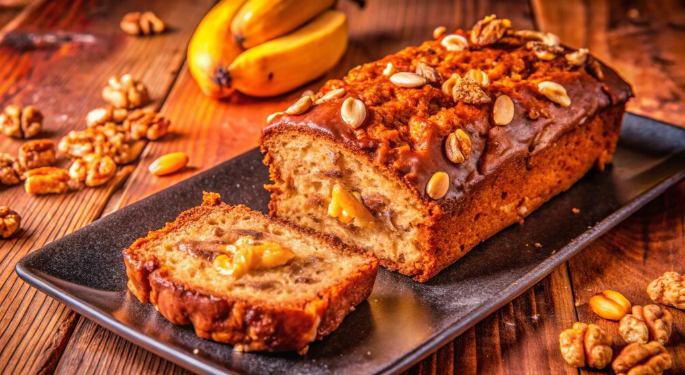
If you want a comforting baked treat with rich banana flavor and a warm sweetness, banana bread with maple syrup is an excellent choice. Maple syrup adds a smooth caramel-like flavor while helping create a tender, moist crumb. It is also a convenient way to sweeten homemade banana bread without relying entirely on granulated sugar. Whether you are using overripe bananas from the kitchen counter or simply want to try a flavorful twist on a classic loaf, this recipe can become an easy favorite for breakfast, snacks, or dessert.
Why Make Banana Bread with Maple Syrup?
Traditional banana bread often uses white or brown sugar as its primary sweetener. Maple syrup offers a different flavor profile and can complement the natural sweetness of ripe bananas beautifully.
The combination works particularly well because ripe bananas already provide moisture, sweetness, and a distinctive fruity flavor. Maple syrup adds depth rather than overpowering the banana.
Some advantages include:
- A naturally warm, caramel-like flavor
- A soft and moist texture
- An easy-to-mix liquid sweetener
- Excellent pairing with cinnamon, vanilla, and nuts
- A practical way to use very ripe bananas
- A versatile base for additional ingredients
The finished loaf can be enjoyed plain, toasted, spread with butter, or served alongside yogurt and fresh fruit.
Choosing the Right Bananas
The bananas you use can make a significant difference in the finished loaf. The best bananas are very ripe, with plenty of brown spots or even mostly darkened peels.
As bananas ripen, their starches convert into sugars, making them sweeter and softer. This makes them especially useful in quick breads.
What to Look For
Choose bananas that are:
- Soft enough to mash easily
- Strongly fragrant
- Yellow with numerous brown spots
- Free from mold
- Not excessively watery or fermented
For a standard loaf, three medium ripe bananas generally provide enough moisture and banana flavor. If your bananas are unusually large, you may need slightly less than three.
Essential Ingredients
A simple loaf does not require a long ingredient list. The following combination creates a balanced texture and flavor.
| Ingredient | Purpose |
|---|---|
| Ripe bananas | Sweetness, moisture, and banana flavor |
| Maple syrup | Sweetness and caramel-like flavor |
| All-purpose flour | Provides structure |
| Eggs | Helps bind ingredients and supports structure |
| Butter or neutral oil | Adds richness and tenderness |
| Baking soda | Helps the loaf rise |
| Vanilla extract | Enhances overall flavor |
| Cinnamon | Adds warmth |
| Salt | Balances sweetness |
Optional additions such as chopped walnuts, pecans, chocolate chips, or shredded coconut can give the loaf extra texture.
How to Make the Bread
The preparation process is straightforward, but a few small techniques can make a noticeable difference.
1. Prepare the Pan
Start by preheating the oven according to your recipe and prepare a standard loaf pan. Lightly grease it or line it with parchment paper.
Parchment makes removing the finished loaf much easier and reduces the chance of sticking.
2. Mash the Bananas
Place the peeled bananas in a large mixing bowl and mash them with a fork.
You do not necessarily need a completely smooth puree. A few small banana pieces can provide pleasant pockets of flavor throughout the bread.
Avoid blending the bananas excessively because an overly liquid mixture can affect the final structure.
3. Combine the Wet Ingredients
Add the maple syrup, melted butter or oil, eggs, and vanilla to the mashed bananas.
Whisk until the mixture is reasonably uniform.
If using melted butter, allow it to cool slightly before adding it to the eggs. Very hot butter can partially cook the eggs.
4. Mix the Dry Ingredients
In a separate bowl, whisk together the flour, baking soda, salt, and cinnamon.
Separating the dry ingredients helps distribute the leavening agent and spices more evenly.
5. Combine Wet and Dry Mixtures
Gradually add the dry ingredients to the banana mixture.
Stir gently with a spatula until no obvious streaks of flour remain.
The most important rule here is do not overmix. Excessive stirring develops gluten and can turn a tender quick bread into a dense or chewy loaf.
A few tiny lumps are perfectly acceptable.
6. Add Optional Ingredients
If you want additional texture, fold in your preferred extras.
Good choices include:
- Chopped walnuts
- Pecans
- Dark chocolate chips
- Milk chocolate chips
- Dried cranberries
- Shredded coconut
- A small amount of ground nutmeg
For a classic result, walnuts or pecans are particularly effective.
7. Bake
Transfer the batter into the prepared loaf pan and smooth the surface.
Bake until the top is golden brown and a toothpick inserted into the center comes out clean or with only a few moist crumbs.
Because oven temperatures and loaf-pan sizes vary, baking time can differ. Begin checking toward the later part of the expected baking period rather than relying exclusively on the clock.
8. Cool Before Slicing
Allow the loaf to cool in the pan for several minutes before transferring it to a wire rack.
Although it can be tempting to slice it immediately, letting the bread cool helps the crumb set properly.
For the cleanest slices, allow it to cool substantially before cutting.
How to Get a Moist, Tender Loaf
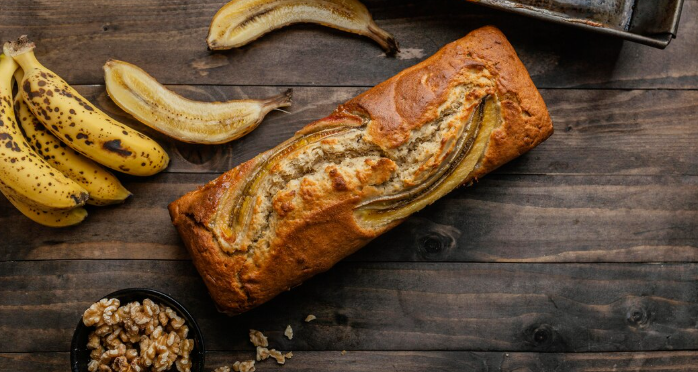
Moisture is one of the defining characteristics of good banana bread. However, adding too much liquid can make the center gummy.
A few techniques help maintain the right balance.
Use Very Ripe Bananas
Ripe bananas contribute both sweetness and moisture. Under-ripe bananas generally produce a less flavorful loaf.
Measure Flour Carefully
Too much flour is one of the most common reasons quick bread becomes dry.
Instead of packing flour tightly into a measuring cup, gently spoon it into the cup and level the top. If you have a kitchen scale, weighing ingredients provides greater consistency.
Avoid Overmixing
Once the flour is incorporated, stop stirring. A batter that has been mixed just enough will generally produce a softer crumb.
Don’t Overbake
Even a well-balanced batter can become dry if it stays in the oven too long.
Look for a golden-brown surface and a tester that comes out clean or with a few moist crumbs.
Flavor Variations to Try
One of the best things about homemade banana bread is how easily it can be customized.
Walnut and Maple Variation
Fold chopped walnuts into the batter for a traditional nutty version. The earthy flavor of walnuts works particularly well with maple.
Chocolate Chip Version
Add chocolate chips for a richer dessert-style loaf. Dark chocolate provides a pleasant contrast to the sweetness of the bananas.
Cinnamon Spice Loaf
Increase the cinnamon slightly and add a small pinch of nutmeg or allspice. This version is especially appealing during cooler months.
Coconut Version
Add unsweetened shredded coconut for a subtle tropical character. A handful of chopped pecans can complement it nicely.
Streusel-Topped Loaf
For a more indulgent presentation, add a simple crumb topping before baking. Combine flour, butter, a little maple syrup, and chopped nuts to create a coarse mixture, then scatter it over the batter.
Common Mistakes to Avoid
Even a simple quick bread can go wrong if a few basic details are overlooked.
| Problem | Possible Cause | Solution |
|---|---|---|
| Dense loaf | Overmixing | Stir only until combined |
| Dry texture | Too much flour or overbaking | Measure flour carefully and monitor baking |
| Gummy center | Excess moisture or underbaking | Check the center before removing |
| Weak banana flavor | Bananas not ripe enough | Use heavily spotted ripe bananas |
| Uneven rise | Poorly distributed baking soda | Mix dry ingredients thoroughly |
| Burned edges | Excessive oven temperature | Verify oven temperature and use a suitable pan |
How to Store Homemade Banana Bread
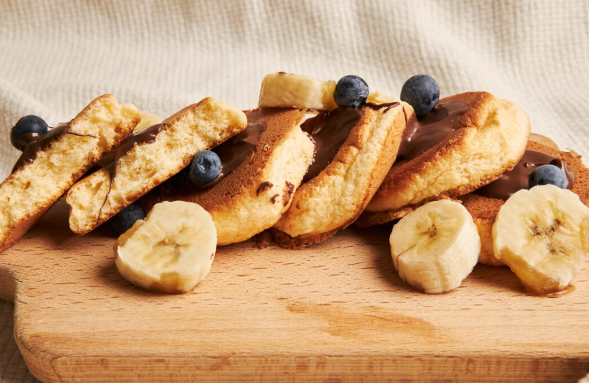
Proper storage helps maintain its texture for several days.
Once the loaf has cooled completely, wrap it tightly or place it in an airtight container.
At room temperature, it can generally remain enjoyable for several days. If your kitchen is particularly warm or humid, refrigeration may be preferable.
Refrigerated bread can become somewhat firmer, so allow slices to return toward room temperature before serving.
Can You Freeze It?
Yes. Freezing is an excellent option when you have more bread than you can eat immediately.
For best results:
- Cool the loaf completely.
- Slice it if you want individual portions.
- Wrap slices tightly.
- Place them in a freezer-safe container or bag.
- Label with the date.
- Thaw at room temperature or gently warm before serving.
Freezing individual slices makes it convenient to enjoy a portion whenever you want.
Serving Ideas
This bread is versatile enough for several occasions.
For breakfast, serve a slice with fresh berries, yogurt, or a cup of coffee.
For an afternoon snack, warm a slice and add a little butter.
For dessert, serve it with vanilla ice cream or Greek yogurt and a light drizzle of maple syrup.
You can also toast leftover slices. Toasting creates lightly crisp edges while keeping the center soft.
Making the Recipe More Balanced
If you want to adjust the recipe to suit your preferences, consider the overall balance rather than simply adding or removing ingredients.
For example, if your bananas are exceptionally ripe and sweet, you may prefer a less sweet loaf. If your bananas are only moderately ripe, a little additional maple syrup may provide the flavor you are looking for.
You can also experiment with whole-wheat flour. However, replacing all the all-purpose flour may result in a heavier loaf. Using a partial substitution can provide a heartier texture while maintaining tenderness.
Key Points to Remember
When preparing this homemade loaf, keep these practical tips in mind:
- Use very ripe bananas for the strongest flavor.
- Measure flour accurately to avoid a dry texture.
- Mix the batter gently and stop once the flour disappears.
- Let melted butter cool slightly before combining it with eggs.
- Avoid opening the oven repeatedly during baking.
- Check the center with a toothpick or skewer before removing the loaf.
- Allow the bread to cool before slicing.
- Store leftovers in an airtight container.
- Freeze individual slices for convenient longer-term storage.
- Experiment with nuts, spices, chocolate, or coconut to create different variations.
Final Thoughts
A homemade banana loaf is one of the easiest baked goods to customize, and replacing traditional sweeteners with maple syrup gives the classic recipe a distinctive depth of flavor. Ripe bananas provide the foundation, while maple brings a warm sweetness that pairs naturally with cinnamon, vanilla, nuts, and chocolate.
The key to a successful loaf is not complicated technique. Choose flavorful ripe bananas, measure your ingredients carefully, avoid overmixing, and pay attention to the baking process. Once you understand those fundamentals, you can easily adapt the recipe to suit different tastes and occasions.
Whether served warm for breakfast, packed as an afternoon snack, or transformed into a simple dessert, this homemade treat is an approachable way to turn everyday ingredients into something comforting and satisfying.
FAQs
1. Can I use frozen bananas for this recipe?
Yes. Frozen bananas work well after they have been thawed. Drain away any excess liquid if the thawed fruit releases a large amount before mashing.
2. Why does my banana bread sink in the middle?
A sunken center can result from underbaking, excessive liquid, too much leavening, or opening the oven door too early. Make sure the center is fully baked before removing the loaf.
3. Can I make this recipe without eggs?
An egg-free version is possible using an appropriate egg substitute. Keep in mind that changing the binding ingredients can alter the texture and structure.
4. What nuts work best in banana bread?
Walnuts and pecans are particularly popular because their rich, slightly earthy flavors complement bananas and maple. Almonds can also work well if you prefer a firmer crunch.
5. How should I reheat leftover slices?
You can gently warm individual slices in a microwave or toast them lightly. Avoid overheating, as excessive heat can dry the bread.