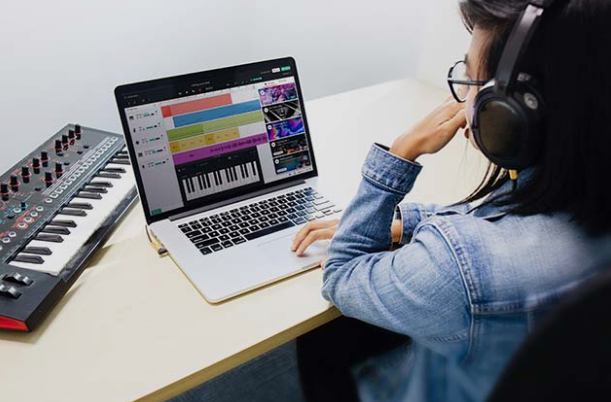
BandLab for Education is a digital learning environment designed to help teachers and students explore music creation, collaboration, recording, and production in an educational setting. It provides tools that can make music lessons more interactive by allowing learners to create projects, experiment with sounds, record performances, and work together digitally. As technology becomes increasingly common in classrooms, platforms designed specifically for music education can give students practical experience with modern creative tools. Understanding how BandLab for Education works, what students can learn through it, and how teachers can use its features can help schools build engaging technology-supported music programs.
What Is BandLab for Education?
BandLab for Education is an educational platform built around digital music creation and classroom learning. It allows teachers to organize music activities and provides students with a space to complete creative assignments.
Instead of limiting music learning to traditional instruments and printed notation, digital platforms can introduce students to recording, beat-making, songwriting, sound editing, and music production.
The platform can be used for different levels of musical experience. Beginners can explore basic concepts through simple projects, while more experienced students can work on increasingly complex compositions and production tasks.
How BandLab Can Support Music Teachers
Teachers can use the platform to organize lessons, assign projects, and review student work. Digital classroom tools can make it easier to provide students with structured activities while still giving them opportunities for creativity.
A teacher might create an assignment involving rhythm, melody, songwriting, recording, or music production. Students can then complete the project using the available digital tools.
This approach can make classroom activities more flexible. Students can work individually or collaborate with classmates depending on the goals of the lesson.
Digital Music Creation for Students
One of the main educational possibilities is giving students practical experience with music creation. Students can experiment with rhythms, melodies, instruments, loops, vocals, and other musical elements.
Digital creation can be particularly useful for students who do not already play a traditional instrument. They can begin exploring musical concepts through software and gradually develop a deeper understanding of composition and production.
Students can also revise their work. Unlike a live performance that happens at one specific moment, a digital project can often be edited, rearranged, and improved over time.
Recording and Audio Production
Recording is an important part of modern music production, and students can learn basic recording concepts through educational music platforms.
Students can record vocals, instruments, spoken material, or other audio and then work with their recordings as part of a project.
This can introduce concepts such as microphone technique, timing, arrangement, editing, and audio organization.
Learning the basics of recording can also help students understand how professional music is produced. These skills can be relevant to music, media, podcasting, film, online content, and other creative fields.
Songwriting and Composition
BandLab can provide a practical environment for teaching songwriting and composition. Students can begin with an idea and develop it into a structured musical piece.
Teachers can create assignments around melody, lyrics, rhythm, harmony, song structure, or musical storytelling.
Students can experiment with different arrangements and compare how changes affect the overall sound. This process encourages creative decision-making while reinforcing concepts introduced during music lessons.
Composition projects can also provide teachers with a way to evaluate understanding. A student’s completed work can demonstrate whether they understand rhythm, musical structure, instrumentation, or other concepts.
Collaboration and Group Projects
Music is often a collaborative activity, and digital platforms can expand the ways students work together. Students can contribute different parts to a shared project, such as vocals, instruments, lyrics, beats, or production.
Collaborative projects can teach students how to communicate ideas and coordinate creative decisions. They also require students to understand that their individual contribution affects the overall result.
Group work can be particularly valuable for students who may not feel comfortable performing live. Digital collaboration can provide another way to participate in a music project.
Music Theory Through Digital Activities
Music theory does not have to be taught only through textbooks or worksheets. Digital music projects can provide opportunities to apply theoretical concepts in practice.
Students can explore rhythm, scales, chord progressions, melody, tempo, dynamics, and musical form through hands-on activities.
For example, a teacher might ask students to create a short piece using a particular rhythmic pattern or chord progression. The activity connects theoretical information with an actual musical result.
This practical approach can make abstract concepts easier for some students to understand.
Benefits for Different Learning Styles
Students learn in different ways, and digital music platforms can provide multiple methods of participation. Some learners may prefer creating sounds, while others may learn through visual editing, listening, writing lyrics, or experimenting with arrangements.
The ability to repeatedly modify a project can also support students who need additional time to understand a concept.
Teachers can design projects with different levels of difficulty, allowing students to work toward common learning objectives while using activities appropriate to their experience.
Classroom Management and Teacher Organization
Digital platforms can help teachers organize music assignments and student projects in one educational environment. Instead of relying entirely on physical recordings, worksheets, and handwritten submissions, teachers can manage many activities digitally.
Clear assignment instructions are important. Teachers should explain the learning objective, expected outcome, deadline, and assessment criteria before students begin.
A structured workflow can help students focus on creativity without becoming confused about what they are expected to complete.
Using BandLab for Remote and Hybrid Learning
Digital music tools can also support learning outside a traditional classroom. Students may be able to continue working on projects from home or other suitable environments.
Remote and hybrid learning can create challenges for music education because students may not have access to the same instruments or classroom equipment. Digital tools can provide alternative ways to participate.
Teachers can assign projects that students can complete independently and then use digital submissions for review and feedback.
Developing Modern Music Production Skills
Music production has changed significantly with digital technology. Students interested in contemporary music careers may benefit from learning about digital audio workflows at an early stage.
Projects can introduce students to recording, arranging, editing, mixing concepts, sound selection, and creative production.
These experiences can also help students discover whether they are interested in careers involving music production, audio engineering, content creation, songwriting, or other creative technologies.
Creativity and Student Engagement
Digital music projects can encourage students to take ownership of their learning. Instead of simply reproducing a predetermined piece, students can make decisions about what they want to create.
Creative choice can increase engagement because students can connect assignments with their musical interests.
Teachers can still provide structure by defining the educational goal while allowing students freedom over the musical style, instrumentation, lyrics, or arrangement.
Privacy, Safety, and Responsible Digital Use
Educational technology should always be used responsibly. Teachers and schools should establish clear expectations for student accounts, project sharing, communication, and appropriate online behavior.
Students should understand that digital work should be treated with the same care as other school assignments. Teachers can also discuss copyright, attribution, respectful collaboration, and responsible use of digital content.
Teaching these principles alongside music production skills can help students become more responsible digital creators.
Key Points to Remember
BandLab for Education can support digital music creation and classroom learning.
Students can explore songwriting, composition, recording, rhythm, melody, and production.
Teachers can organize assignments and provide structured creative activities.
Digital projects can support both individual and collaborative learning.
Music theory can be reinforced through practical creation activities.
Recording projects can introduce students to modern audio production concepts.
Digital learning can provide alternative participation methods for students with different interests and abilities.
Remote and hybrid classes can use digital music projects to maintain creative learning activities.
Students can develop skills relevant to modern music and media environments.
Responsible digital behavior, privacy, copyright awareness, and respectful collaboration should be part of technology-supported music education.
Tips for Using BandLab for Education Effectively
Teachers should begin with simple projects before introducing advanced production tasks. Beginners can become overwhelmed when too many tools are introduced at once.
Each assignment should have a clear learning objective. For example, a project might focus specifically on rhythm, songwriting, arrangement, recording, or musical form.
Teachers can provide demonstrations before asking students to work independently. Short demonstrations can help students understand the basic workflow and reduce technical confusion.
Creative freedom should be balanced with clear assessment criteria. Students should know what they are expected to demonstrate while still having room to develop their own ideas.
Group projects should also include defined responsibilities. Assigning roles or individual contributions can make collaboration more organized and ensure that students participate meaningfully.
Finally, teachers should encourage revision. Music production often involves experimentation, and allowing students to review and improve their projects can turn mistakes into valuable learning opportunities.
Final Thoughts
BandLab for Education provides a technology-based approach to music learning that can connect traditional musical concepts with contemporary digital production. Students can explore songwriting, composition, recording, collaboration, music theory, and creative production through practical projects. Teachers can use digital activities to provide structured assignments while giving learners opportunities to experiment and express their own ideas. The platform can also support different learning styles and provide alternative ways for students to participate in music education. When used thoughtfully, digital music technology can complement traditional instruction rather than replace it, helping students build both musical knowledge and practical digital skills that can be useful across creative and educational environments.
Frequently Asked Questions
What is BandLab for Education used for?
BandLab for Education is used to support music teaching and learning through digital activities involving music creation, recording, songwriting, composition, collaboration, and production.
Can beginners use BandLab for Education?
Yes. Beginners can start with basic activities involving rhythm, loops, recording, songwriting, and simple composition before progressing to more advanced projects.
Can teachers use BandLab for classroom assignments?
Yes. Teachers can use the educational environment to organize learning activities and assign music projects that students can complete digitally.
Can students collaborate on music projects?
Digital music platforms can support collaborative projects where students contribute different musical or production elements. Collaboration can help students develop communication and teamwork skills.
Is BandLab for Education useful for teaching music theory?
Yes. Teachers can connect theory lessons with practical activities involving rhythm, melody, harmony, musical form, tempo, and composition. This can help students apply abstract concepts through actual music creation.